Friday, 28th November ANZSPM Update
ANZSPM: Update Day 1 Friday 28 November
Registration & Arrival Tea and Coffee
Acknowledgement to Country & Welcome to Conference
SESSION ONE: Against Empathy
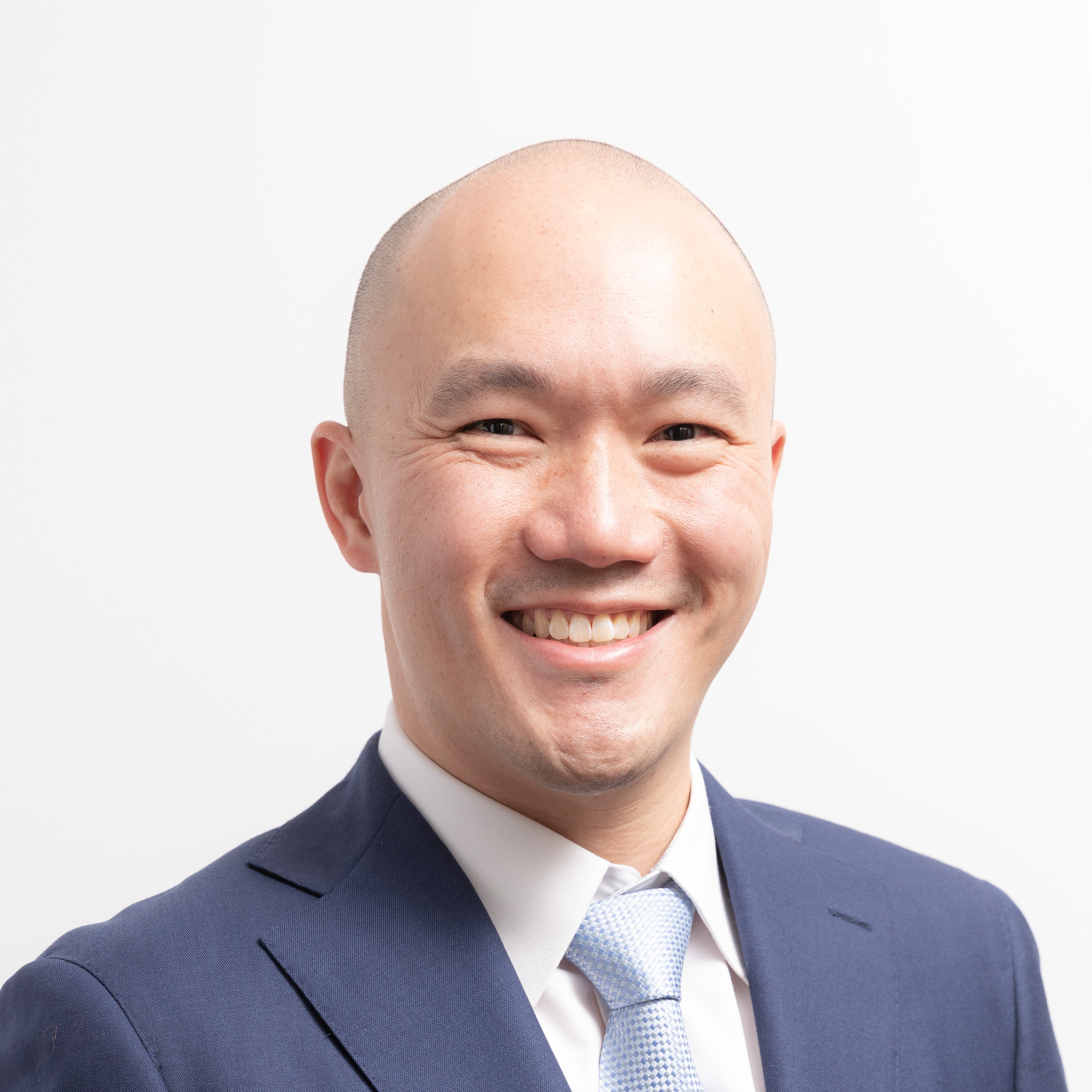
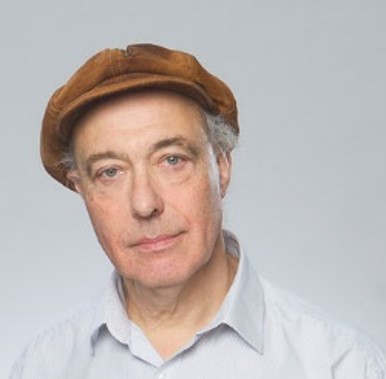
Paul Komesaroff is a physician, medical researcher and philosopher at Monash University in Melbourne, where he is a Professor of Medicine.
MB, BS, BSc (Hons), PhD, FRACP, AM
He is a practising clinician, specialising in the field of endocrinology.
Among many other roles, he is Executive Director of the international NGO Global Reconciliation, Director or Palaver Books, a board member of Praxis Australia, Director of the Centre for Ethics in Medicine and Society, former President of Adult Medicine in the Royal Australasian College of Physician, and former President of the Australasian Bioethics Association. He is a present or past member or chair of numerous other committees in professional societies, institutions and government in Australia and internationally.
His work spans a wide range of disciplines, encompassing clinical practice, laboratory, clinical and social science research and ethics. The latter addresses the impact of new technologies on health and society, consent in research, the experience of illness, end of life issues, psychological effects of trauma, the impact of artificial intelligence, and cross-cultural teaching and learning. His international work covers reconciliation and healing after conflict and social crisis, the nature and impact of foreign aid, and capacity building in global health.
He is the Chair of the Editorial Board of the Journal of Bioethical Inquiry and Ethics Editor of the Internal Medicine Journal. He is the author of more than 500 articles in science, ethics and philosophy, and author or editor of seventeen books, including Riding a crocodile: a physician’s tale (2014), Experiments in love and death (2014 and 2008), Continent aflame (2020), Pathways to reconciliation (2008), Objectivity, science and society (2nd ed. 2009), and Troubled bodies (1996).
Morning Tea
SESSION TWO: Balancing Act: Frailty, Function, and the Palliative Approach
10:45am - 11.10am - Frailty management in hospitalised older patients
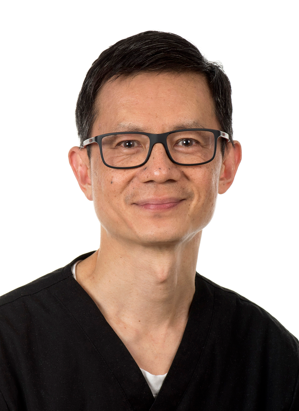
Prof. Kwang Lim, Clinical Director for Medicine and Aged Care at Royal Melbourne Hospital
Prof Kwang Lim is the Medical Director for the Home First
program incorporating Aged Care, Rehabilitation, Complex
Care and Ambulatory services at the Royal Melbourne hospital.
He has supervised over 20 postgraduate students at Honours,
Masters and PhD level and currently is a Chief Investigator in 5
NHMRC grants. His research focuses on hospitalized and
community patients with frailty and dementia as well as end of
life care for people with dementia in residential care.
11.10am - 11.35am Palliative responses to the frailty iceberg
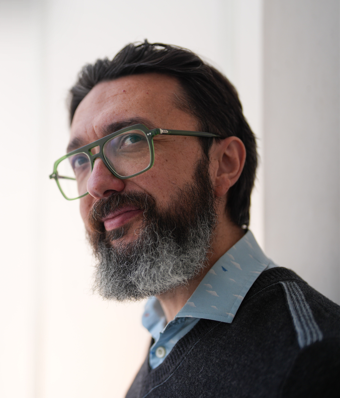
Dr Michael Chapman, Director of Palliative Care (Canberra
Hospital), Lead of Palliative Care Research Unit (Clare
Holland House)
Clinical (honorary) Associate Professor ANU
Michael Chapman is a geriatrician and palliative medicine
physician working as a director of palliative and the palliative
care research unit lead for Canberra Health Services (CHS). He
has honorary roles with ANU, UC and the UTS. His research
explores topics of aged care, the dementia experience, and
death and dying from empirical and ethical
perspectives. Michael has been awarded project grants from
the MRFF among other sources. He recently published his first
book, “Rethinking dementia: ripples and responses”.
11.35am - 11.55am - Panel Q&A
ANZSPM Revised VAD Position Statement
Council Presentation
Michelle Gold, President of the ANZSPM Council, Director,
Palliative Care, Alfred Health
Dr Michelle Gold is the Director of Palliative Care at Alfred
Health and an Adjunct Senior Lecturer at Monash University. A
Palliative Care Physician, her clinical and research interests
focus on improving access to high-quality palliative care for
groups not traditionally reached by these services. She teaches
and mentors extensively across Alfred Health and Monash
University, is an RACP Approved Supervisor, and tutors in the
Medical Law Program. She has a strong interest in clinical
ethics and frequently speaks to community groups on palliative
care and voluntary assisted dying. Her work spans both
malignant and non-malignant palliative medicine
Lunch
SESSION THREE: Grey Matter, Tough Matters: Glioblastoma and End-of-Life Care
1.45pm - 2.20pm -Glioma/Glioblastoma - Neurosurg Perspective
Prof Kate Drummond AM,
Director of Neurosurgery at Royal Melbourne Hospital and Head of Central Nervous System Tumours at the VCCC Parkville Precinct
Professor Kate Drummond, AM, is Director of Neurosurgery at
The Royal Melbourne Hospital and Head of Central Nervous
System Tumours at the Victorian Comprehensive Cancer
Centre. A neurosurgeon specialising in brain tumour
management—including awake craniotomy, intraoperative MRI
and fluorescence-guided surgery—her research spans
immunotherapy, biomarkers, surgical innovation and
supportive care. She has published extensively and secured
over $35 million in research funding.
Professor Drummond holds numerous leadership roles across
national and international neuro-oncology and neurosurgical
organisations, is Co-Editor in Chief of the Journal of Clinical
Neuroscience and was awarded an AM for her contributions to
neuro-oncology and community health
2.20pm - 2.50pm - Glioma/Glioblastoma - Palliative Care Perspective
Prof Brian Le, Director of Palliative Care at The Peter
MacCallum Cancer Centre
Brian is the Director of Palliative Care at The Peter MacCallum
Cancer Centre and The Royal Melbourne Hospital. Brian is a
Physician specialist in both Palliative Medicine and Medical
Oncology, and is a Professor (Clinical) in the Sir Peter
MacCallum Department of Oncology and the Department of
Medicine at The University of Melbourne. Brian is co-chair of
the Palliative Care Clinical Studies Collaborative, the largest
international clinical trials group researching a range of
treatments for palliative care symptoms. He is a past Chair of
the Training Committee of the Royal Australasian College of
Physicians, responsible for training of all Palliative Medicine
specialists in Australia and New Zealand.
2.50pm - 3.15pm - Panel Q&A
Afternoon Tea
SESSION FOUR: Medical Updates
1545-1620 - HIV for Palliative Care Clinicians
Dr Emma Paige, Infectious Diseases Specialist
Emma is an Infectious Diseases Physician at Alfred Health. She
works within the Victorian HIV Service Outward Program, a
multidisciplinary team that supports vulnerable patients living
with HIV in addition to psychiatric comorbidities, substance
use and unstable housing. She also participates in the
inpatient and outpatient care of patients living with HIV on the
ward and in clinic and is involved in training and educating
general practitioners in managing patients with HIV.
1620-1655 - From Clinic to Home: Transforming “Fit vs Unfit” to “Well-Matched” Therapies for AML
A/Prof Chun Yew Fong, Director of Research, Medical Lead for Acute Leukaemia and Myelodysplasia Department of Clinical Haematology, Austin Health
Associate Professor Chun Yew Fong is a clinical haematologist
and translational researcher at Austin Health and the
University of Melbourne, specializing in myeloid malignancies.
He is Medical Lead for Acute Leukaemia and Myelodysplastic
Syndromes, overseeing a program that integrates rapid access,
toxicity monitoring, transfusion support, and palliative care.
A/Prof Fong completed a PhD with the University of Cambridge
and Peter MacCallum Cancer Centre, receiving awards for his
work on epigenetic mechanisms driving relapse in acute
myeloid leukaemia. He is internationally recognized in acute
leukaemia and myelodysplasia, chairs the Acute Leukaemia
Tumour Group at Clinical Trials Australia, and is active in the
Australasian Leukaemia & Lymphoma Group.
His talk—“From Clinic to Home: Transforming ‘Fit vs Unfit’ to
‘Well-Matched’ Therapies for AML”—will focus on personcentered, low-intensity treatment strategies that prioritize
symptom control, quality of life, and coordinated care.